
 by
by 
The Future of Space Exploration

Introduction
Space exploration has always captivated the human imagination, pushing the boundaries of our understanding and opening new frontiers. From the first steps on the Moon to the discovery of distant exoplanets, humanity's quest to explore the cosmos has been a remarkable journey. As we look to the future, the possibilities for space exploration are expanding at an unprecedented pace. This article explores the exciting advancements and prospects that await us in the future of space exploration.
Table of Contents
1. The Evolution of Space Exploration
2. Technological Advancements
- Subheading: Robotics and Automation
- Subheading: Spacecraft Propulsion Systems
- Subheading: Artificial Intelligence in Space Missions
3. Expanding Human Presence
- Subheading: Lunar Colonization
- Subheading: Mars Settlement
- Subheading: Beyond the Solar System
4. Scientific Discoveries
- Subheading: Search for Extraterrestrial Life
- Subheading: Understanding the Universe
5. Space Tourism and Commercialization
- Subheading: Advent of Space Tourism
- Subheading: Mining Asteroids and Lunar Resources
6. International Collaboration
- Subheading: International Space Station (ISS)
- Subheading: Joint Missions and Partnerships
7. Challenges and Ethical Considerations
- Subheading: Space Debris and Sustainability
- Subheading: Planetary Protection and Contamination
- Subheading: Ethical Questions of Space Colonization
8. Conclusion
9. FAQs (Frequently Asked Questions)
The Evolution of Space Exploration

Space exploration has come a long way since the launch of the first artificial satellite, Sputnik, in 1957. Initially driven by the Cold War competition between superpowers, it has evolved into a global endeavor with various countries and private entities contributing to the advancement of space exploration.
Technological Advancements
Robotics and Automation

Robots play a crucial role in space exploration, as they can be sent to remote and hazardous locations where human presence is not feasible. Future missions will witness the deployment of advanced robots capable of conducting complex tasks, such as sample collection, repair, and assembly in space.
Spacecraft Propulsion Systems

Advancements in propulsion systems are crucial for future space missions. Promising technologies, such as ion propulsion and nuclear propulsion, offer increased efficiency and reduced travel times. These developments will enable us to reach distant destinations in our solar system more efficiently.
Artificial Intelligence in Space Missions

Artificial Intelligence (AI) is revolutionizing space exploration. AI-powered systems can analyze vast amounts of data, assist in autonomous navigation, and enhance decision-making during missions. With AI, spacecraft can adapt to unforeseen circumstances and explore the cosmos more efficiently.
Expanding Human Presence
Lunar Colonization

Returning to the Moon and establishing a sustainable lunar base has become a priority for space agencies and private companies. The Moon serves as a stepping stone for future deep space missions and offers opportunities for scientific research, resource utilization, and testing new technologies.
Mars Settlement

Mars, often referred to as the next feasible destination for human colonization, captures our imagination. Ambitious plans are underway to send crewed missions to Mars in the coming decades. Establishing a self-sustaining settlement on the Red Planet presents numerous challenges but also opens up possibilities for long-term exploration and the potential for scientific breakthroughs.
Beyond the Solar System

While our immediate focus is on exploring our solar system, the future holds prospects for interstellar exploration. Concepts like breakthrough propulsion systems and generation ships could allow humanity to venture beyond the boundaries of our star system and explore neighboring star systems.
Scientific Discoveries
Search for Extraterrestrial Life

One of the most profound questions in space exploration is the search for extraterrestrial life. Scientists are exploring Mars, icy moons of Jupiter and Saturn, and exoplanets in the habitable zone of other star systems. Future missions equipped with advanced instruments will help us unravel the mysteries of life beyond Earth.
Understanding the Universe

Space telescopes like the Hubble Space Telescope and the upcoming James Webb Space Telescope have revolutionized our understanding of the cosmos. With their enhanced capabilities, we will uncover more about dark matter, dark energy, the formation of galaxies, and the origins of the universe itself.
Space Tourism and Commercialization
Advent of Space Tourism

Space tourism is on the horizon, offering the chance for civilians to experience space travel. Private companies are developing spacecraft that will transport individuals to low Earth orbit, allowing them to witness the beauty of our planet from space. This emerging industry could pave the way for a new era of space exploration.
Mining Asteroids and Lunar Resources

The exploration and utilization of space resources are becoming increasingly feasible. Asteroids and the Moon contain valuable minerals and water that could be extracted for various purposes, including fuel production and sustaining human colonies. Mining these celestial bodies could revolutionize space exploration and provide resources for further expansion.
International Collaboration
International Space Station (ISS)

The International Space Station has been a symbol of international collaboration in space exploration. It serves as a platform for scientific research, technology development, and fostering cooperation among nations. The ISS will continue to play a vital role in future missions and as a testbed for technologies needed for deep space exploration.
Joint Missions and Partnerships

Collaboration between space agencies and private companies is growing, enabling more ambitious missions. Joint efforts allow sharing of resources, expertise, and costs, making space exploration more accessible and efficient. These partnerships will be instrumental in realizing our collective goals of exploring the cosmos.
Challenges and Ethical Considerations
Space Debris and Sustainability
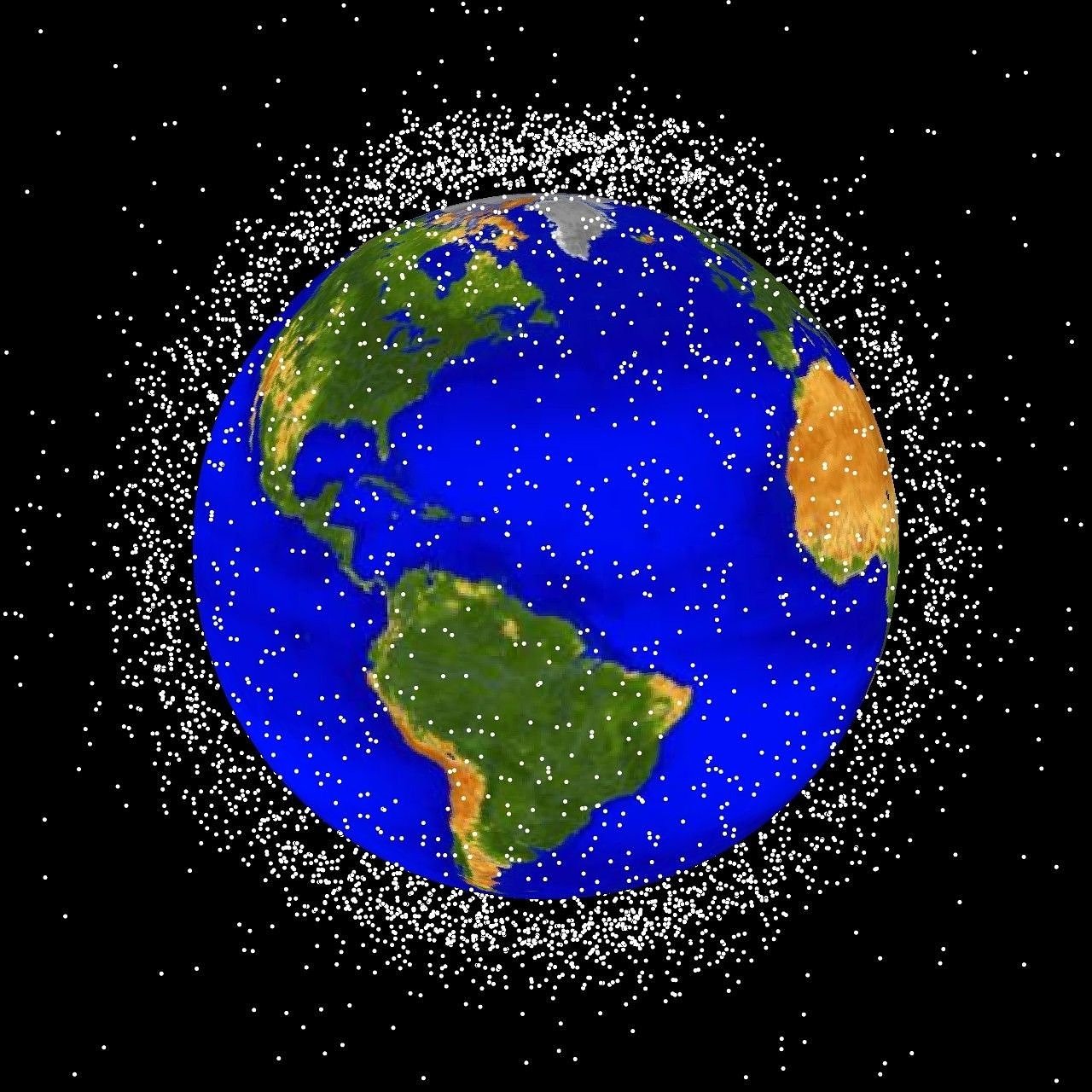
The accumulation of space debris poses a significant threat to future space missions. It is crucial to address this issue through better debris management strategies, including active debris removal and designing spacecraft for controlled reentry. Sustainable practices are essential to ensure the long-term viability of space exploration.
Planetary Protection and Contamination

When exploring celestial bodies with the potential for life, we must take precautions to avoid contamination. Planetary protection protocols aim to prevent the introduction of terrestrial microbes to other worlds and preserve their pristine conditions. Balancing scientific exploration with the need to protect potential extraterrestrial life is a critical ethical consideration.
Ethical Questions of Space Colonization

The colonization of other planets raises ethical questions. Issues like property rights, governance, and the preservation of indigenous cultures must be addressed to ensure responsible and equitable exploration. Ethical frameworks and international agreements will guide our actions as we expand our presence beyond Earth.
Conclusion

The future of space exploration holds tremendous promise and challenges. Technological advancements, expanding human presence, scientific discoveries, space tourism, international collaboration, and ethical considerations will shape the way we explore the cosmos.
As we push the boundaries of our knowledge, the universe becomes our playground, offering opportunities for discovery, innovation, and a deeper understanding of our place in the cosmos.
FAQs
Q1. How will space exploration benefit humanity?
Answer: Space exploration leads to scientific advancements, technological innovations, and a better understanding of our universe. It also inspires future generations and encourages international collaboration.
Q2. When will humans set foot on Mars?
Answer: Crewed missions to Mars are being planned for the 2030s. However, the timeline depends on various factors, including technological readiness and funding.
Q3. What are the risks of space debris?
Answer: Space debris poses risks to spacecraft and satellites, as even small debris can cause significant damage. It is crucial to develop strategies for debris mitigation and removal.
Q4. Can we find life on other planets?
Answer: The search for extraterrestrial life is ongoing. While we have not found definitive evidence yet, missions to Mars and other celestial bodies continue to provide valuable insights.
Q5. How can I get involved in space exploration?
Answer: You can pursue careers in space-related fields, engage in citizen science projects, and stay informed about the latest developments in space exploration through books, documentaries, and online resources.
In conclusion, the future of space exploration is filled with endless possibilities. As we continue to push the boundaries of technology, expand human presence, make scientific discoveries, foster international collaboration, and address ethical considerations, we are paving the way for a future where the exploration of the cosmos becomes an integral part of our human journey. So, let us embrace this exciting future and embark on an extraordinary adventure beyond our home planet.


